Platform comparison
| Platform | YES odds | NO odds | Fee | KYC | Settlement | |
|---|---|---|---|---|---|---|
Polymarket (via Polymarket Review UK) Pick polygram.ink (preferred broker) |
89% | 11% | 0% (USDC on-chain) | No-KYC up to $1,500 | USDC, auto via UMA oracle | Trade this market → |
Polymarket (direct) polymarket.com |
89% | 11% | 0% | Geo-blocked in US/UK/EU | USDC, on-chain | Trade this market → |
Kalshi kalshi.com |
— | — | Up to 7% per trade | US-only, KYC required | USD | Trade this market → |
Betfair Exchange betfair.com |
— | — | 2-5% commission | Full KYC from first trade | GBP / EUR | Trade this market → |
Manifold Markets manifold.markets |
— | — | Play-money (mana) | None — play-money | Mana (no cash-out) | Trade this market → |
Outcome probabilities
Current market-implied probability for each outcome, from the live order book.
| Outcome | Probability |
|---|---|
| 33°C | 89% |
| 34°C | 10% |
| 26°C or below | 0% |
| 27°C | 0% |
| 28°C | 0% |
| 29°C | 0% |
| 30°C | 0% |
| 31°C | 0% |
| 32°C | 0% |
| 35°C | 0% |
| 36°C or higher | 0% |
Market context
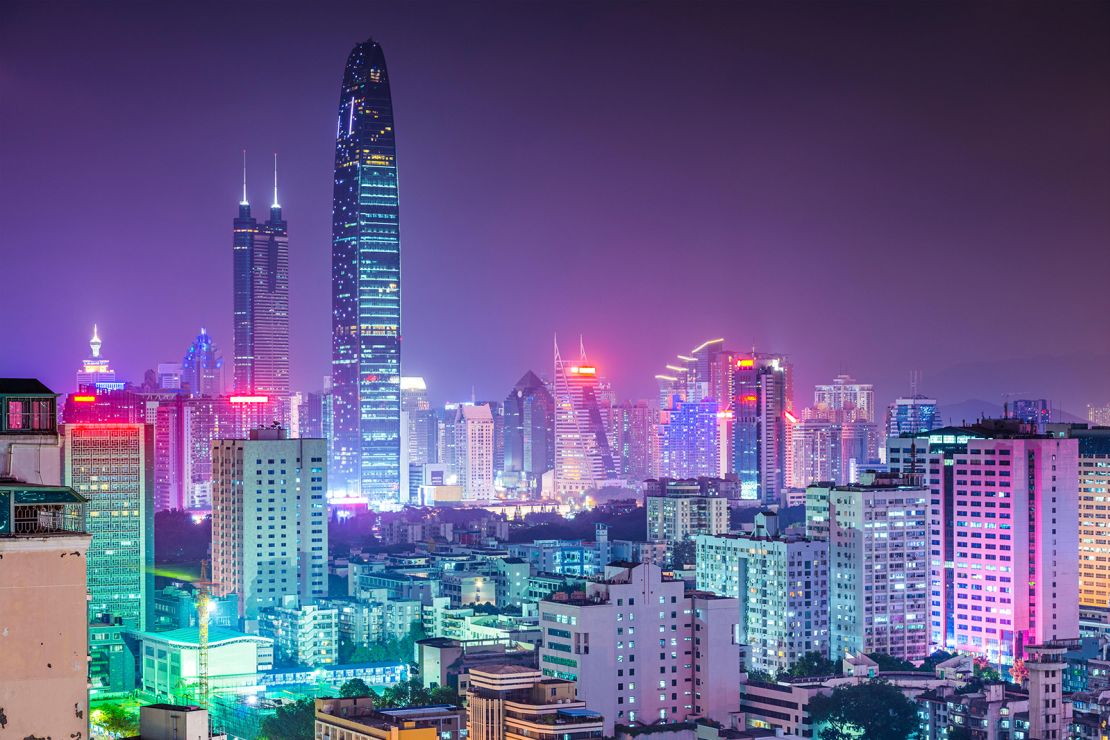
Shenzhen’s peak temperature on 23 July is a straightforward airport-station weather event: the market resolves to the highest reading logged at Shenzhen Bao’an International Airport during the day, using Wunderground’s history page as the settlement reference. With the current crowd-implied probability at 0%, the key question is not whether Shenzhen is warm in late July, but whether the day’s maximum lands in the specific temperature band the market is pricing, which is the kind of outcome a rules-based bettor would monitor directly from the historical feed rather than from citywide averages.[1]
Seasonally, late July in Shenzhen is usually very hot and humid, with average July highs around 31.1°C and rainfall also elevated, which matters because cloud cover and convective rain can trim the day’s ceiling even when the air mass is broadly tropical.[1][3] Current conditions are already warm and sticky, with Shenzhen reporting 84°F and a RealFeel® of 96°F, which is consistent with a day capable of producing a high above the mid-30s Celsius if sunshine persists through the afternoon.[2] For a programme-driven workflow, the practical approach is to ingest the Wunderground daily history page near the settlement cutoff, map the observed maximum into the market’s temperature interval, and then compare that directly with the implied probabilities rather than with broad climate normals.
The main catalysts are the intraday weather pattern over Guangdong: cloud build-up, thunderstorms, rainfall timing, and any shift in wind or humidity that alters afternoon heating. July in Shenzhen sits in the rainy season, with monthly rainfall commonly above 200 mm, so short-lived showers or storm clusters can materially change the day’s maximum even when the morning starts hot.[1][3] A trader using bots or conditional orders would usually watch airport-specific updates, not city forecasts, because the market settles on the airport station’s recorded maximum, and the decisive move often comes in the early- to mid-afternoon heating window before convection increases later in the day.
Methodology
Methodologically we separate two layers: the live probability (Polymarket mid-price) and the platform attributes (fee, KYC, settlement currency, payment rails). That keeps the comparison honest — a single canonical probability across the row, with the venue-by-venue trade-offs spelt out in the columns next to it.
Resolution & payout
Settlement runs on-chain. Polymarket's contract logic separates YES and NO shares as conditional tokens; at resolution the winning share lifts to $1.00 and the losing one to $0. The outcome input comes from the UMA Optimistic Oracle, which secures against bad resolution with a bond + dispute window.
Once finalised, the smart contract pays USDC to the holders' wallets within minutes — no withdrawal fees beyond Polygon network gas. Kalshi settles in USD via CFTC clearance, Betfair in account currency net of commission, Manifold in play-money mana with no cash-out.
FAQ
- Where can I trade this market with the lowest fees?
- Polymarket is geo-blocked in the US/UK/EU. The easiest 0%-fee broker into the same order book is Polymarket Review UK. Kalshi charges up to 7% per trade; Betfair Exchange takes 2-5% commission on net winnings.
- Is this market available outside the US?
- Polymarket itself is geo-blocked in the US/UK/EU. Always check the legal status of prediction markets in your jurisdiction before trading.
- What's the difference between YES and NO shares?
- A YES share pays $1.00 if the event happens, $0 otherwise. A NO share pays $1.00 if the event doesn't happen. The market price between 0¢ and 100¢ is the implied probability.
- How fast are USDC deposits?
- Polygon credits deposits after 12 confirmations — usually under 30 seconds. Withdrawals follow the same path and land back in your wallet within minutes.
- Do I need to KYC for this market?
- On Polymarket directly, no — it's wallet-based. Intermediary brokers like Polymarket Review UK trigger KYC only above $1,500 of lifetime trading volume; under that you trade pseudonymously with a single wallet address.
%22%2F%3E%3Cpath%20d%3D%22M%206%2066%20A%2026%2026%200%200%201%2058%2066%22%20fill%3D%22%23E6B98D%22%20opacity%3D%220.9%22%2F%3E%3Ccircle%20cx%3D%2232%22%20cy%3D%2226%22%20r%3D%2222%22%20fill%3D%22%23F5CBA7%22%2F%3E%3Cpath%20d%3D%22M%2010%2018%20Q%2016%204%2026%2010%20Q%2020%202%2032%206%20Q%2044%202%2038%2010%20Q%2048%204%2054%2018%22%20stroke%3D%22%230ea5e9%22%20stroke-width%3D%224%22%20fill%3D%22none%22%20stroke-linecap%3D%22round%22%2F%3E%3C%2Fsvg%3E) and
and%22%2F%3E%3Cpath%20d%3D%22M%206%2066%20A%2026%2026%200%200%201%2058%2066%22%20fill%3D%22%23E6B98D%22%20opacity%3D%220.9%22%2F%3E%3Ccircle%20cx%3D%2232%22%20cy%3D%2226%22%20r%3D%2222%22%20fill%3D%22%23F5CBA7%22%2F%3E%3Cpath%20d%3D%22M%2010%2026%20A%2022%2028%200%200%201%2054%2026%22%20fill%3D%22%230ea5e9%22%20opacity%3D%220.9%22%2F%3E%3C%2Fsvg%3E)
Trade Highest temperature in Shenzhen on July 23? on Polymarket Review UK
Live order book, 0% fees, USDC settlement in seconds.
Open live market →