Platform comparison
| Platform | YES odds | NO odds | Fee | KYC | Settlement | |
|---|---|---|---|---|---|---|
Polymarket Review UK Pick polygram.ink |
1% | 99% | 0% (USDC on-chain) | No-KYC up to $1,500 | USDC, auto via UMA oracle | Open on Polymarket Review UK → |
Polymarket polymarket.com |
1% | 99% | 0% | Geo-blocked in US/UK/EU | USDC, on-chain | Open on Polymarket Review UK → |
Kalshi kalshi.com |
— | — | Up to 7% per trade | US-only, KYC required | USD | Open on Polymarket Review UK → |
Betfair Exchange betfair.com |
— | — | 2-5% commission | Full KYC from first trade | GBP / EUR | Open on Polymarket Review UK → |
Manifold Markets manifold.markets |
— | — | Play-money (mana) | None — play-money | Mana (no cash-out) | Open on Polymarket Review UK → |
Live odds for Polymarket-based markets come from the Polygon order book. Non-Polymarket venues show attributes only; clicking any row opens the market on Polymarket Review UK.
Market context
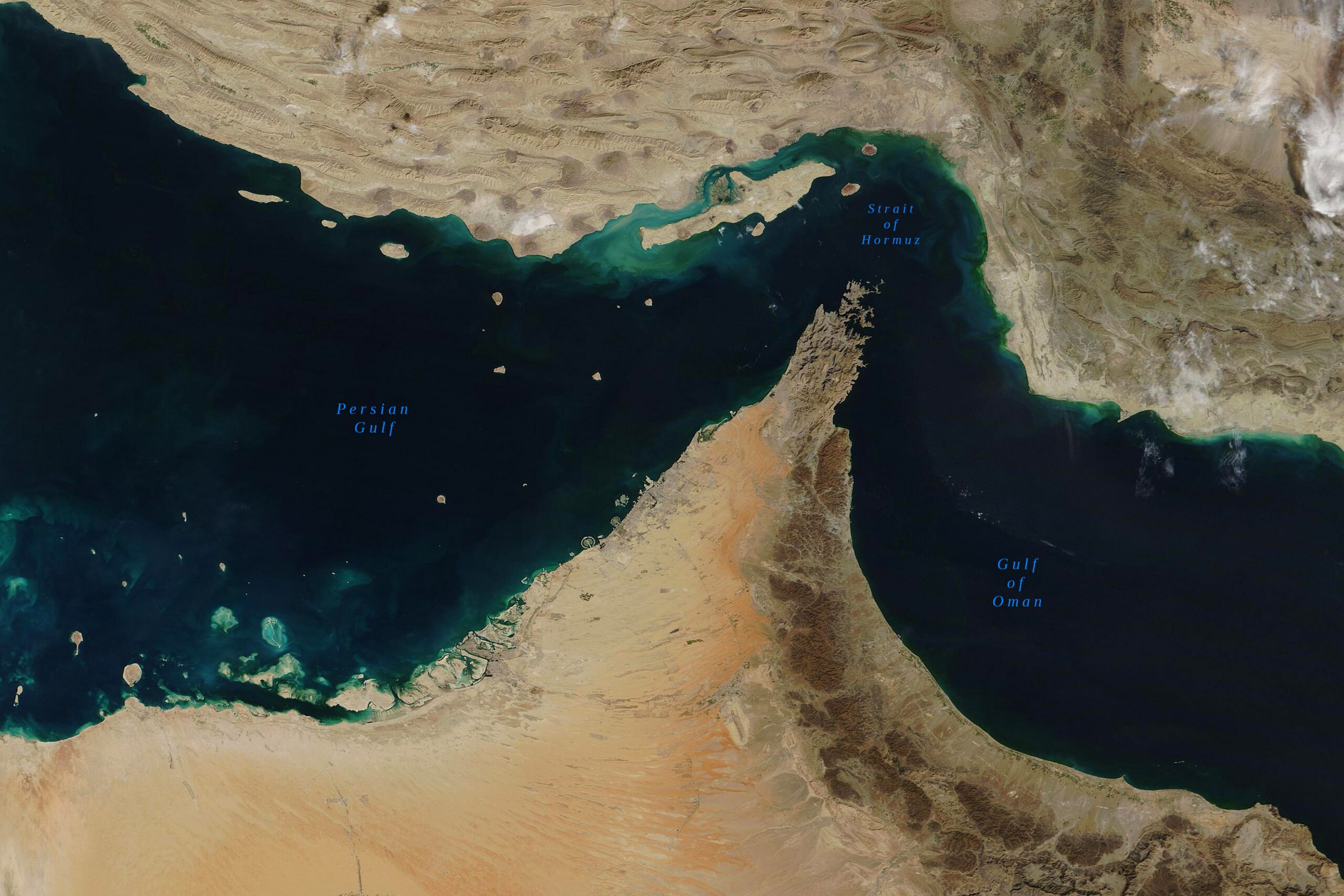
The Strait of Hormuz handles roughly one-third of global seaborne oil trade. A 7-day moving average of 60 daily transit calls would represent a return to pre-disruption baseline traffic levels. Current data shows the strait operating well below that threshold, reflecting months of reduced transits linked to regional tensions, including attacks on commercial vessels and military posturing. The resolution criterion depends entirely on IMF Portwatch's published figures—a dataset that combines arrival notifications across all major cargo classes, making it verifiable but subject to reporting lags and definitional boundaries around what constitutes a "transit call."
Historical precedent suggests recovery to 60 daily arrivals is unlikely within the settlement window. The 2019 tanker attacks saw transit volumes recover to normal ranges within weeks; the current environment differs materially. Regional actors have demonstrated sustained capacity and willingness to disrupt traffic, whilst insurance premiums and rerouting costs remain elevated. Comparable chokepoint disruptions—the Suez Canal blockage in 2021, for instance—took months to fully normalise even after the immediate obstruction cleared. The 1% crowd probability reflects this structural friction rather than mere sentiment.
Traders monitoring this market should track announcements from the Iranian Revolutionary Guard Corps, Houthi statements on maritime operations, and US naval positioning updates. Lloyd's List and Splash247 publish real-time transit data that often precedes IMF Portwatch releases by days. A programmatic approach would involve setting conditional alerts on IMF Portwatch's weekly releases, cross-referencing against insurance market indicators (war risk premiums on Gulf routes) and AIS vessel-tracking platforms to anticipate whether the 7-day average could plausibly reach 60 before May 2026.
Methodology
Methodologically we separate two layers: the live probability (Polymarket mid-price) and the platform attributes (fee, KYC, settlement currency, payment rails). The odds column is filled only where we have clean data — that avoids the made-up numbers that get a network demoted when search engines cross-check against the source venue.
Resolution & payout
Settlement runs on-chain. Polymarket's contract logic separates YES and NO shares as conditional tokens; at resolution the winning share lifts to $1.00 and the losing one to $0. The outcome input comes from the UMA Optimistic Oracle, which secures against bad resolution with a bond + dispute window.
Once finalised, the smart contract pays USDC to the holders' wallets within minutes — no withdrawal fees beyond Polygon network gas. Kalshi settles in USD via CFTC clearance, Betfair in account currency net of commission, Manifold in play-money mana with no cash-out.
FAQ
- Where can I trade this market with the lowest fees?
- On Polymarket Review UK, which mirrors the Polymarket order book at 0% fees. Kalshi charges up to 7% per trade; Betfair Exchange takes 2-5% commission on net winnings.
- Is this market available outside the US?
- Polymarket Review UK is available in most jurisdictions where Polymarket isn't directly accessible. Polymarket itself is geo-blocked in the US/UK/EU. Always check local regulations.
- What's the difference between YES and NO shares?
- A YES share pays $1.00 if the event happens, $0 otherwise. A NO share pays $1.00 if the event doesn't happen. The market price between 0¢ and 100¢ is the implied probability.
- Do I need to KYC for this market?
- Not under $1,500 of lifetime trading volume. Above that threshold, Polymarket Review UK triggers a quick verification flow that finishes in minutes.
- How reliable are the quoted odds?
- The YES/NO percentages are the live mid-prices of the Polymarket order book. On deep markets they move every few seconds; on thinner ones you'll see short plateaus.
%22%2F%3E%3Cpath%20d%3D%22M%206%2066%20A%2026%2026%200%200%201%2058%2066%22%20fill%3D%22%23E6B98D%22%20opacity%3D%220.9%22%2F%3E%3Ccircle%20cx%3D%2232%22%20cy%3D%2226%22%20r%3D%2222%22%20fill%3D%22%23F5CBA7%22%2F%3E%3Cpath%20d%3D%22M%2010%2018%20Q%2016%204%2026%2010%20Q%2020%202%2032%206%20Q%2044%202%2038%2010%20Q%2048%204%2054%2018%22%20stroke%3D%22%230ea5e9%22%20stroke-width%3D%224%22%20fill%3D%22none%22%20stroke-linecap%3D%22round%22%2F%3E%3C%2Fsvg%3E) and
and%22%2F%3E%3Cpath%20d%3D%22M%206%2066%20A%2026%2026%200%200%201%2058%2066%22%20fill%3D%22%23E6B98D%22%20opacity%3D%220.9%22%2F%3E%3Ccircle%20cx%3D%2232%22%20cy%3D%2226%22%20r%3D%2222%22%20fill%3D%22%23F5CBA7%22%2F%3E%3Cpath%20d%3D%22M%2010%2026%20A%2022%2028%200%200%201%2054%2026%22%20fill%3D%22%230ea5e9%22%20opacity%3D%220.9%22%2F%3E%3C%2Fsvg%3E)
Trade Strait of Hormuz traffic returns to normal by end of… on Polymarket Review UK
Live order book, 0% fees, USDC settlement in seconds.
Trade on Polymarket Review UK →