Platform comparison
| Platform | YES odds | NO odds | Fee | KYC | Settlement | |
|---|---|---|---|---|---|---|
Polymarket Review UK Pick polygram.ink |
10% | 90% | 0% (USDC on-chain) | No-KYC up to $1,500 | USDC, auto via UMA oracle | Open on Polymarket Review UK → |
Polymarket polymarket.com |
10% | 90% | 0% | Geo-blocked in US/UK/EU | USDC, on-chain | Open on Polymarket Review UK → |
Kalshi kalshi.com |
— | — | Up to 7% per trade | US-only, KYC required | USD | Open on Polymarket Review UK → |
Betfair Exchange betfair.com |
— | — | 2-5% commission | Full KYC from first trade | GBP / EUR | Open on Polymarket Review UK → |
Manifold Markets manifold.markets |
— | — | Play-money (mana) | None — play-money | Mana (no cash-out) | Open on Polymarket Review UK → |
Live odds for Polymarket-based markets come from the Polygon order book. Non-Polymarket venues show attributes only; clicking any row opens the market on Polymarket Review UK.
Active sub-markets
Market context
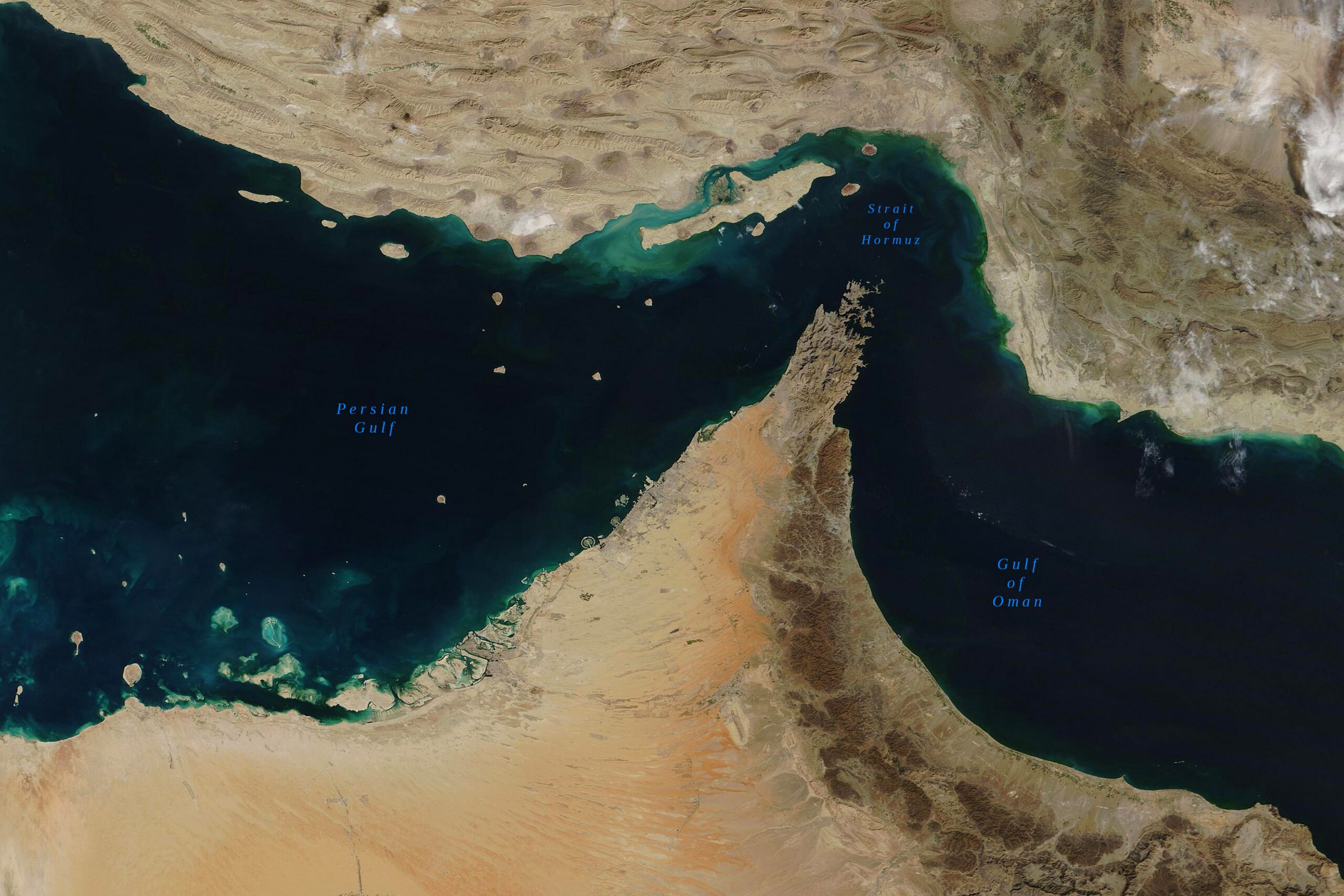
The Strait of Hormuz remains the world's most critical chokepoint for energy transit, with roughly one-third of seaborne traded oil passing through its 21-nautical-mile width daily. This market tracks whether daily ship arrivals at the strait will hit a specified threshold on any single day through May 2026, using IMF Portwatch data as the settlement source. The threshold itself determines the difficulty: higher thresholds (say, 80+ vessels) represent near-normal operations, whilst lower ones (30–40) would indicate severe disruption.
Historical transit data shows the strait typically handles 60–90 arrivals per day under baseline conditions, with seasonal variation tied to refinery maintenance cycles and demand patterns. The 12% probability currently priced in suggests the market is pricing a relatively high threshold—one that would require either exceptional traffic concentration or a significant deviation from recent norms. Comparable disruption events, such as the 2022 Houthi escalation and the 2019 tanker incidents, saw daily transits drop to 40–50 vessels for extended periods, though full blockade scenarios remain rare.
Traders monitoring this market should track geopolitical developments in the Red Sea and Persian Gulf, OPEC production announcements, and US–Iran diplomatic signals, all of which affect transit volumes. IMF Portwatch publishes daily figures with a lag of 1–3 days, making real-time monitoring essential for automated strategies. Setting up conditional orders keyed to Portwatch publication schedules and threshold alerts would allow systematic position management without manual daily checking.
Methodology
We track Will 2026 ships transit the Strait of Hormuz on any day by May 31? on the five venues with material liquidity for prediction markets. Live odds come from the Polymarket Polygon order book — the only source that ships real-time data under an open licence. For Kalshi, Betfair and Manifold we list platform attributes (fee, KYC, settlement, payment) instead of fabricated odds, because their APIs use non-comparable contract definitions.
Resolution & payout
Settlement runs on-chain. Polymarket's contract logic separates YES and NO shares as conditional tokens; at resolution the winning share lifts to $1.00 and the losing one to $0. The outcome input comes from the UMA Optimistic Oracle, which secures against bad resolution with a bond + dispute window.
Once finalised, the smart contract pays USDC to the holders' wallets within minutes — no withdrawal fees beyond Polygon network gas. Kalshi settles in USD via CFTC clearance, Betfair in account currency net of commission, Manifold in play-money mana with no cash-out.
FAQ
- Is this market available outside the US?
- Polymarket Review UK is available in most jurisdictions where Polymarket isn't directly accessible. Polymarket itself is geo-blocked in the US/UK/EU. Always check local regulations.
- What's the difference between YES and NO shares?
- A YES share pays $1.00 if the event happens, $0 otherwise. A NO share pays $1.00 if the event doesn't happen. The market price between 0¢ and 100¢ is the implied probability.
- What does it cost to trade on Polymarket Review UK?
- Zero. Polymarket Review UK routes every order to the live Polymarket order book; the only cost is the Polygon network fee, typically under $0.01 per transaction.
- How fast are USDC deposits?
- Polygon credits deposits after 12 confirmations — usually under 30 seconds. Withdrawals follow the same path and land back in your wallet within minutes.
- Do I need to KYC for this market?
- Not under $1,500 of lifetime trading volume. Above that threshold, Polymarket Review UK triggers a quick verification flow that finishes in minutes.
%22%2F%3E%3Cpath%20d%3D%22M%206%2066%20A%2026%2026%200%200%201%2058%2066%22%20fill%3D%22%23E6B98D%22%20opacity%3D%220.9%22%2F%3E%3Ccircle%20cx%3D%2232%22%20cy%3D%2226%22%20r%3D%2222%22%20fill%3D%22%23F5CBA7%22%2F%3E%3Cpath%20d%3D%22M%2010%2018%20Q%2016%204%2026%2010%20Q%2020%202%2032%206%20Q%2044%202%2038%2010%20Q%2048%204%2054%2018%22%20stroke%3D%22%230ea5e9%22%20stroke-width%3D%224%22%20fill%3D%22none%22%20stroke-linecap%3D%22round%22%2F%3E%3C%2Fsvg%3E) and
and%22%2F%3E%3Cpath%20d%3D%22M%206%2066%20A%2026%2026%200%200%201%2058%2066%22%20fill%3D%22%23E6B98D%22%20opacity%3D%220.9%22%2F%3E%3Ccircle%20cx%3D%2232%22%20cy%3D%2226%22%20r%3D%2222%22%20fill%3D%22%23F5CBA7%22%2F%3E%3Cpath%20d%3D%22M%2010%2026%20A%2022%2028%200%200%201%2054%2026%22%20fill%3D%22%230ea5e9%22%20opacity%3D%220.9%22%2F%3E%3C%2Fsvg%3E)
Trade Will 2026 ships transit the Strait of Hormuz on any … on Polymarket Review UK
Live order book, 0% fees, USDC settlement in seconds.
Trade on Polymarket Review UK →