Platform comparison
| Platform | YES odds | NO odds | Fee | KYC | Settlement | |
|---|---|---|---|---|---|---|
Polymarket Review UK Pick polygram.ink |
0% | 100% | 0% (USDC on-chain) | No-KYC up to $1,500 | USDC, auto via UMA oracle | Open on Polymarket Review UK → |
Polymarket polymarket.com |
0% | 100% | 0% | Geo-blocked in US/UK/EU | USDC, on-chain | Open on Polymarket Review UK → |
Kalshi kalshi.com |
— | — | Up to 7% per trade | US-only, KYC required | USD | Open on Polymarket Review UK → |
Betfair Exchange betfair.com |
— | — | 2-5% commission | Full KYC from first trade | GBP / EUR | Open on Polymarket Review UK → |
Manifold Markets manifold.markets |
— | — | Play-money (mana) | None — play-money | Mana (no cash-out) | Open on Polymarket Review UK → |
Live odds for Polymarket-based markets come from the Polygon order book. Non-Polymarket venues show attributes only; clicking any row opens the market on Polymarket Review UK.
Active sub-markets
Market context
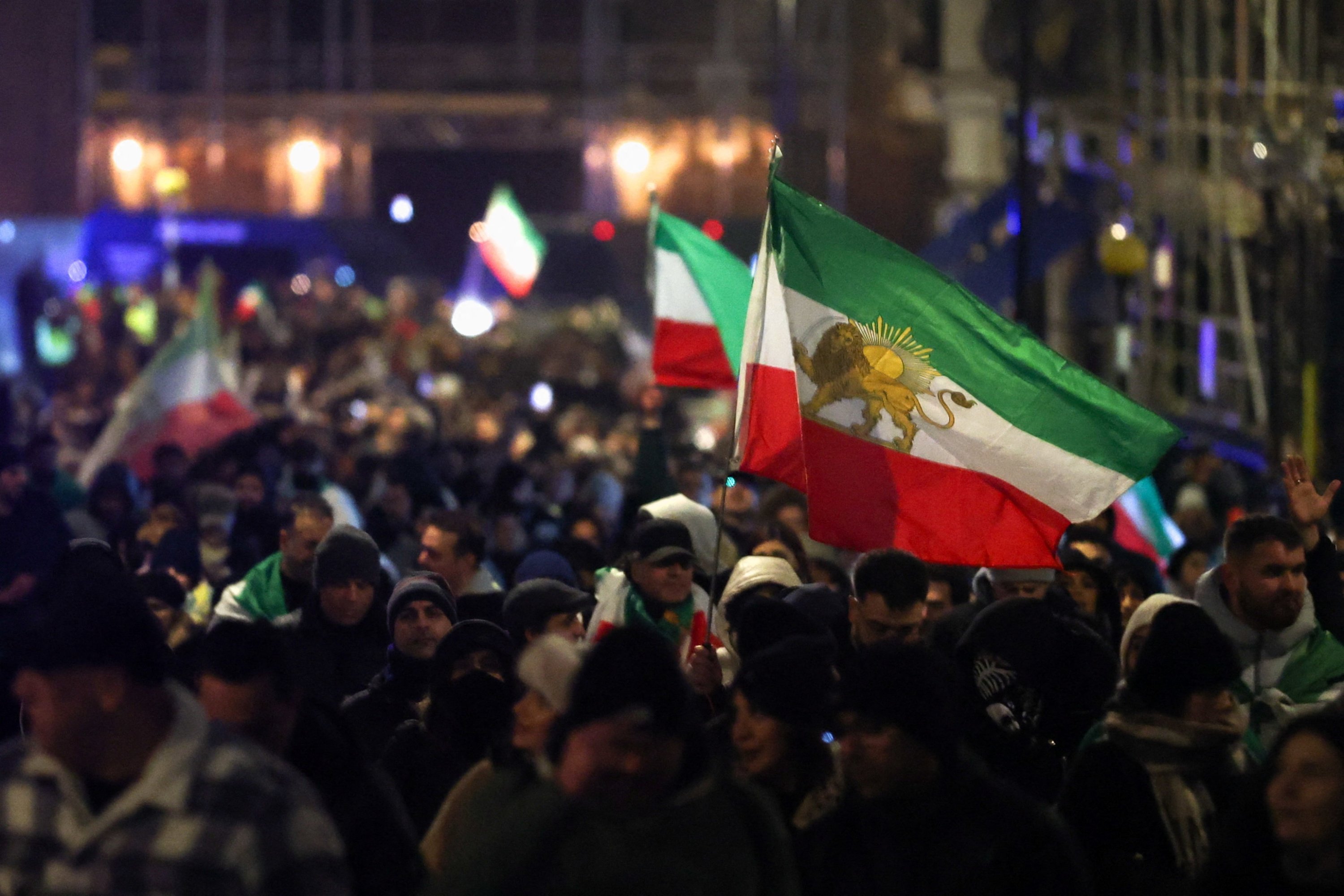
Iran's nationwide internet blackout commenced on 28 February 2026 during active military engagement with the United States and Israel. The Iranian government implemented the shutdown as a defensive measure and information control mechanism, severing most civilian and commercial connectivity. This market requires restoration of "general internet connectivity" with clear, broad, and unambiguous international reporting consensus before the 30 April 2026 deadline—a roughly two-month window for either a ceasefire agreement or unilateral Iranian decision to restore access.
Historical precedent suggests internet shutdowns during active conflict rarely resolve quickly. Iran's 2019 shutdown lasted approximately one week during domestic unrest; Syria's fragmented internet disruptions during civil war persisted for years in certain regions. Myanmar's military junta maintained partial blackouts for months following the 2021 coup. However, those cases involved either internal suppression or prolonged civil conflict rather than international military engagement with defined adversaries. The critical variable here is whether negotiations produce a settlement agreement that includes connectivity restoration as a confidence-building measure or precondition.
Traders monitoring this market should track ceasefire announcements through Reuters, AP, and regional correspondents, alongside statements from UN mediators or Gulf state intermediaries. Technical indicators matter too: surveillance of BGP route announcements and DNS infrastructure changes would signal imminent restoration before mainstream reporting. The Iranian government's historical pattern suggests restoration decisions come rapidly once political conditions align, rather than gradual incremental reopening. Current 0% probability reflects the market's assessment that two months is insufficient for military de-escalation and political agreement on connectivity terms.
Methodology
This page reviews Internet Access restored in Iran by 2026? across five venues. We show live odds for Polymarket-based markets (sourced from the Polygon order book); for other venues we list platform attributes, since the comparable contracts are not exposed via a public API on every venue. Every CTA points at Polymarket Review UK — the application we operate, where you trade directly against the Polymarket order book at 0% fees.
Resolution & payout
Settlement runs on-chain. Polymarket's contract logic separates YES and NO shares as conditional tokens; at resolution the winning share lifts to $1.00 and the losing one to $0. The outcome input comes from the UMA Optimistic Oracle, which secures against bad resolution with a bond + dispute window.
Once finalised, the smart contract pays USDC to the holders' wallets within minutes — no withdrawal fees beyond Polygon network gas. Kalshi settles in USD via CFTC clearance, Betfair in account currency net of commission, Manifold in play-money mana with no cash-out.
FAQ
- Where can I trade this market with the lowest fees?
- On Polymarket Review UK, which mirrors the Polymarket order book at 0% fees. Kalshi charges up to 7% per trade; Betfair Exchange takes 2-5% commission on net winnings.
- What's the difference between YES and NO shares?
- A YES share pays $1.00 if the event happens, $0 otherwise. A NO share pays $1.00 if the event doesn't happen. The market price between 0¢ and 100¢ is the implied probability.
- What does it cost to trade on Polymarket Review UK?
- Zero. Polymarket Review UK routes every order to the live Polymarket order book; the only cost is the Polygon network fee, typically under $0.01 per transaction.
- How fast are USDC deposits?
- Polygon credits deposits after 12 confirmations — usually under 30 seconds. Withdrawals follow the same path and land back in your wallet within minutes.
- How reliable are the quoted odds?
- The YES/NO percentages are the live mid-prices of the Polymarket order book. On deep markets they move every few seconds; on thinner ones you'll see short plateaus.
%22%2F%3E%3Cpath%20d%3D%22M%206%2066%20A%2026%2026%200%200%201%2058%2066%22%20fill%3D%22%23E6B98D%22%20opacity%3D%220.9%22%2F%3E%3Ccircle%20cx%3D%2232%22%20cy%3D%2226%22%20r%3D%2222%22%20fill%3D%22%23F5CBA7%22%2F%3E%3Cpath%20d%3D%22M%2010%2018%20Q%2016%204%2026%2010%20Q%2020%202%2032%206%20Q%2044%202%2038%2010%20Q%2048%204%2054%2018%22%20stroke%3D%22%230ea5e9%22%20stroke-width%3D%224%22%20fill%3D%22none%22%20stroke-linecap%3D%22round%22%2F%3E%3C%2Fsvg%3E) and
and%22%2F%3E%3Cpath%20d%3D%22M%206%2066%20A%2026%2026%200%200%201%2058%2066%22%20fill%3D%22%23E6B98D%22%20opacity%3D%220.9%22%2F%3E%3Ccircle%20cx%3D%2232%22%20cy%3D%2226%22%20r%3D%2222%22%20fill%3D%22%23F5CBA7%22%2F%3E%3Cpath%20d%3D%22M%2010%2026%20A%2022%2028%200%200%201%2054%2026%22%20fill%3D%22%230ea5e9%22%20opacity%3D%220.9%22%2F%3E%3C%2Fsvg%3E)
Trade Internet Access restored in Iran by 2026? on Polymarket Review UK
Live order book, 0% fees, USDC settlement in seconds.
Trade on Polymarket Review UK →