Platform comparison
| Platform | YES odds | NO odds | Fee | KYC | Settlement | |
|---|---|---|---|---|---|---|
Polymarket (via Polymarket Review UK) Pick polygram.ink (preferred broker) |
50% | 50% | 0% (USDC on-chain) | No-KYC up to $1,500 | USDC, auto via UMA oracle | Trade this market → |
Polymarket (direct) polymarket.com |
50% | 50% | 0% | Geo-blocked in US/UK/EU | USDC, on-chain | Trade this market → |
Kalshi kalshi.com |
— | — | Up to 7% per trade | US-only, KYC required | USD | Trade this market → |
Betfair Exchange betfair.com |
— | — | 2-5% commission | Full KYC from first trade | GBP / EUR | Trade this market → |
Manifold Markets manifold.markets |
— | — | Play-money (mana) | None — play-money | Mana (no cash-out) | Trade this market → |
Market context
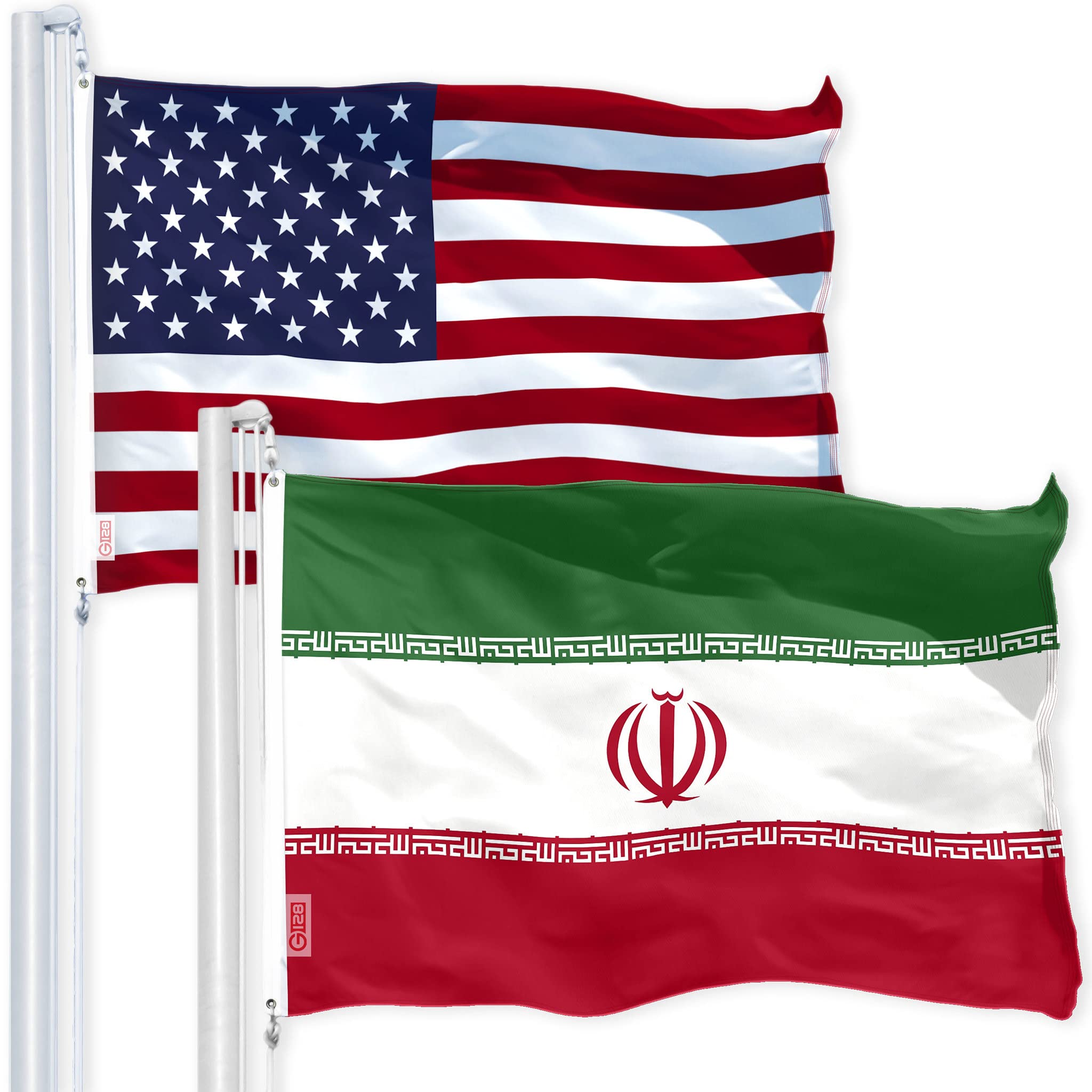
The real-world event centres on a tentative memorandum of understanding between the United States and Iran, signed in principle on 14 June 2026, which establishes a 60-day ceasefire and negotiation window toward a final peace deal, with the explicit possibility of extension by mutual consent. This agreement, pending formal endorsement from President Trump and Vice President JD Vance, aims to reopen the Strait of Hormuz, suspend key sanctions, and halt military operations across all fronts including Lebanon, while setting the stage for talks on Iran’s uranium enrichment programme [1][2][6].
Historically, similar diplomatic truces in the Middle East—such as the 2015 interim nuclear accord or the 2020 Gaza ceasefire—have frequently required extensions when core issues like nuclear stockpiles or regional proxy activity remain unresolved, lending credibility to the current 51% crowd-implied probability that an extension will be announced [3][8]. Programmatically, a power-user would monitor official press releases from the White House and Iran’s Supreme National Security Council, deploy bots to scrape declarative statements containing the phrase “extension of the 60-day period,” and set conditional orders triggered by timestamps before the 20 August 2026 settlement deadline, treating any ambiguity as a “No” signal unless both parties issue unambiguous, joint confirmations [5][7].
Key catalysts include the scheduled technical discussions in Geneva this week, Iran’s 30-day deadline to remove mines from the Hormuz, and any public statements from Pakistani Prime Minister Shehbaz Sharif, who mediated the deal, regarding progress or delays [6][7]. Traders should watch for Axios or Reuters updates on whether Trump has formally approved the MOU, as his endorsement remains a critical dependency for the extension mechanism to activate [2][4]. A qualifying announcement must be a declarative, present-tense statement of extension issued jointly by both governments; silence or unilateral remarks will not satisfy the market’s resolution criteria.
Methodology
This page is a comparison snapshot: one live quote, four reference venues with their key attributes, and a single execution path — every trade button routes to Polymarket Review UK, which mirrors the Polymarket order book directly.
Resolution & payout
At resolution the UMA oracle takes over: a proposer posts the outcome with a bond, any token holder can dispute within two hours. Without dispute the result is accepted and the smart contract distributes USDC instantly.
On Kalshi (CFTC-regulated) resolution runs through their in-house clearing engine in USD. Betfair Exchange settles after match end in the account's local currency. Manifold pays no cash — only its in-platform "mana" currency.
FAQ
- What's the difference between YES and NO shares?
- A YES share pays $1.00 if the event happens, $0 otherwise. A NO share pays $1.00 if the event doesn't happen. The market price between 0¢ and 100¢ is the implied probability.
- What does Polymarket cost to trade?
- Polymarket itself charges 0% — the only cost is the Polygon network fee, typically under $0.01 per transaction. Off-chain venues like Kalshi or Betfair charge 2-7% commission.
- How fast are USDC deposits?
- Polygon credits deposits after 12 confirmations — usually under 30 seconds. Withdrawals follow the same path and land back in your wallet within minutes.
- Do I need to KYC for this market?
- On Polymarket directly, no — it's wallet-based. Intermediary brokers like Polymarket Review UK trigger KYC only above $1,500 of lifetime trading volume; under that you trade pseudonymously with a single wallet address.
- How reliable are the quoted odds?
- The YES/NO percentages are the live mid-prices of the Polymarket order book. On deep markets they move every few seconds; on thinner ones you'll see short plateaus.
%22%2F%3E%3Cpath%20d%3D%22M%206%2066%20A%2026%2026%200%200%201%2058%2066%22%20fill%3D%22%23E6B98D%22%20opacity%3D%220.9%22%2F%3E%3Ccircle%20cx%3D%2232%22%20cy%3D%2226%22%20r%3D%2222%22%20fill%3D%22%23F5CBA7%22%2F%3E%3Cpath%20d%3D%22M%2010%2018%20Q%2016%204%2026%2010%20Q%2020%202%2032%206%20Q%2044%202%2038%2010%20Q%2048%204%2054%2018%22%20stroke%3D%22%230ea5e9%22%20stroke-width%3D%224%22%20fill%3D%22none%22%20stroke-linecap%3D%22round%22%2F%3E%3C%2Fsvg%3E) and
and%22%2F%3E%3Cpath%20d%3D%22M%206%2066%20A%2026%2026%200%200%201%2058%2066%22%20fill%3D%22%23E6B98D%22%20opacity%3D%220.9%22%2F%3E%3Ccircle%20cx%3D%2232%22%20cy%3D%2226%22%20r%3D%2222%22%20fill%3D%22%23F5CBA7%22%2F%3E%3Cpath%20d%3D%22M%2010%2026%20A%2022%2028%200%200%201%2054%2026%22%20fill%3D%22%230ea5e9%22%20opacity%3D%220.9%22%2F%3E%3C%2Fsvg%3E)
Trade US-Iran 60 day negotiation period extended? on Polymarket Review UK
Live order book, 0% fees, USDC settlement in seconds.
Open live market →